EN
How to Optimize Hunting Camera Battery Life?

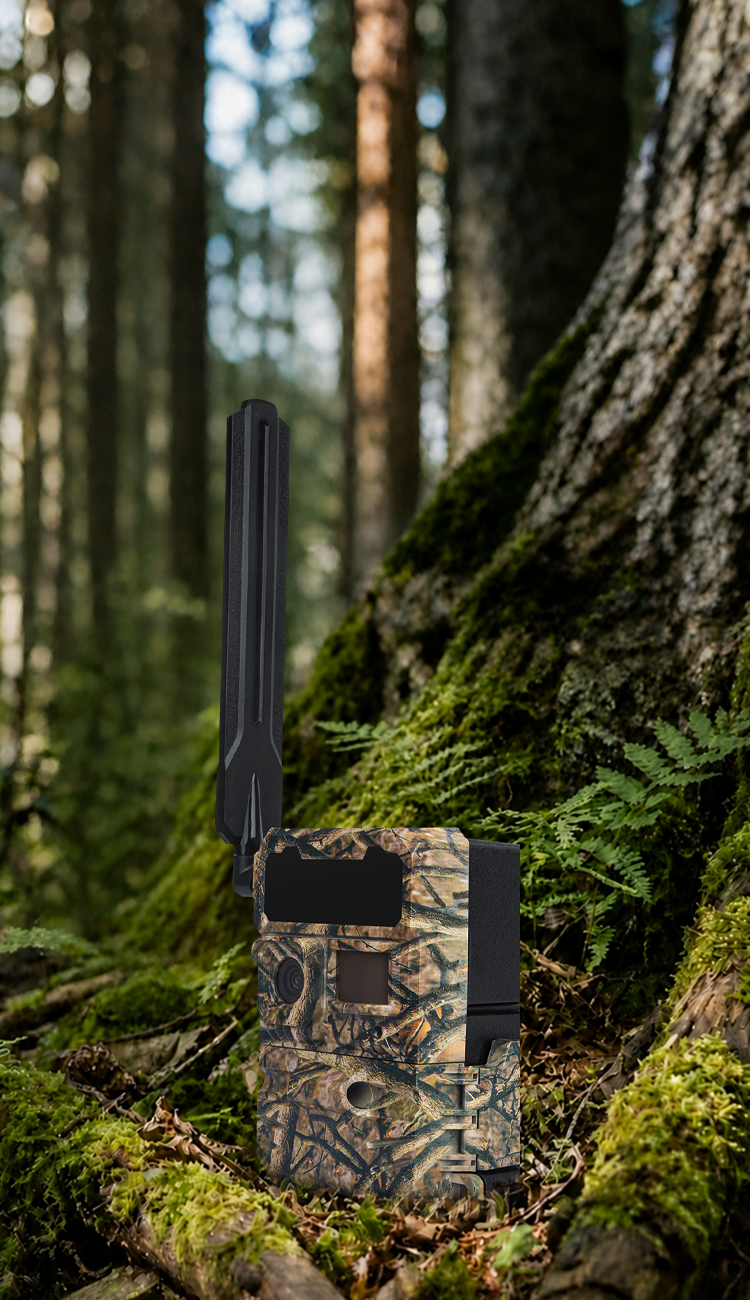
A hunting camera serves as your remote eyes in the field, capturing critical wildlife activity and movement patterns when you cannot be present. However, the most sophisticated hunting camera loses its value when battery power depletes too quickly, leaving you with missed shots and incomplete data during peak hunting seasons. Battery longevity directly impacts field performance, operational cost, and decision-making reliability, making hunting camera battery optimization a practical necessity rather than a luxury consideration.
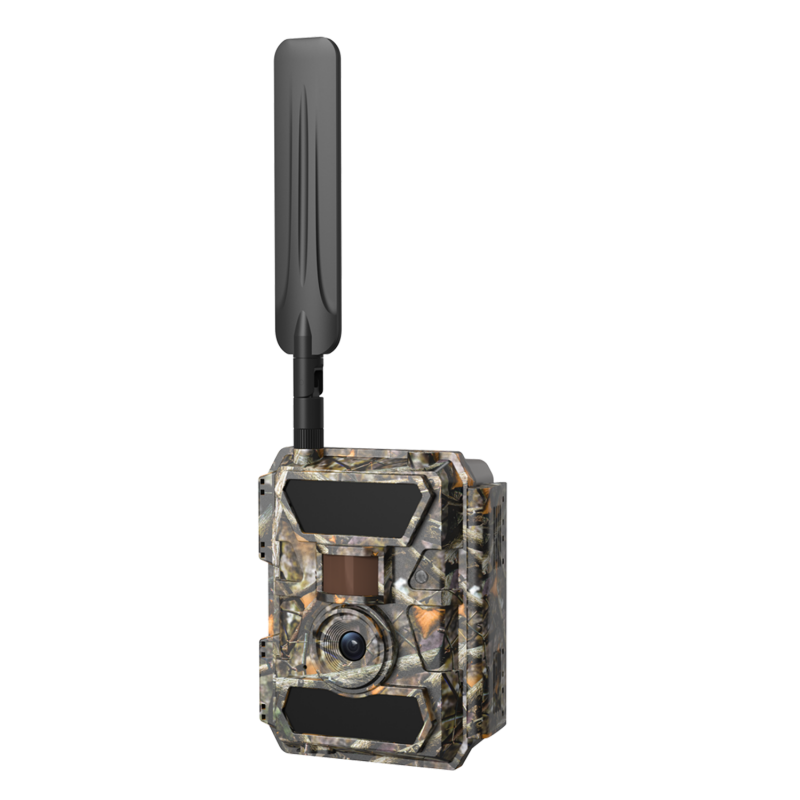
Understanding how your hunting camera consumes power at each operational stage allows you to make targeted adjustments that extend battery life without sacrificing capture quality or responsiveness. Modern hunting cameras balance multiple power-intensive functions including motion detection, image processing, transmission, and night vision activation, each competing for limited battery resources. Strategic optimization across settings, maintenance practices, and deployment timing can significantly extend operational periods and reduce the frequency of field visits for battery replacement.
Understanding Hunting Camera Power Consumption Patterns
Core Power Drains in Hunting Camera Systems
Every hunting camera operates through several power-consuming processes that run continuously or activate upon trigger events. The motion detection sensor consumes baseline power continuously, remaining alert for movement signals that initiate image capture sequences. Night vision activation represents one of the most demanding functions on a hunting camera, particularly infrared LED models that require significant current draw to illuminate dark environments for clear imagery. Cellular transmission, when present in a hunting camera, demands concentrated power bursts during data upload cycles, making connectivity type a crucial efficiency factor.
Image processing within your hunting camera's processor, sensor, and memory systems consumes energy proportional to capture frequency and resolution settings. A hunting camera set to continuous rapid-fire mode depletes batteries far faster than interval-based capture, yet users often maintain aggressive settings without considering the battery cost. Understanding these individual drains helps you identify which settings and features deliver value proportional to their power consumption, enabling intelligent trade-off decisions.
Battery Type Selection for Hunting Camera Longevity
Battery chemistry fundamentally determines how your hunting camera performs across temperature ranges and discharge cycles common in outdoor environments. Lithium batteries outperform alkaline alternatives in cold conditions, maintaining voltage stability as temperatures drop below freezing where alkaline efficiency declines sharply. A hunting camera deployed in winter hunting seasons specifically benefits from lithium batteries that preserve 85 to 90 percent capacity in cold weather, whereas alkaline batteries may drop to 60 percent efficiency in similar conditions.
Rechargeable battery options require careful evaluation against hunting camera deployment patterns and field access frequency. If your hunting camera sits in remote locations for months without service visits, disposable lithium batteries eliminate the risk of finding depleted rechargeables on critical dates. Conversely, hunting camera users checking sites weekly or with reliable solar charging can justify rechargeable systems that reduce long-term costs and environmental impact.
Essential Settings Adjustments to Extend Hunting Camera Battery Life
Configuring Detection Sensitivity and Capture Intervals
Motion detection sensitivity on your hunting camera directly controls how frequently capture sequences initiate, representing one of the most impactful optimization levers available. Setting sensitivity too high causes a hunting camera to activate on every leaf movement, rain drops, and wind-driven brush, wasting battery capacity on non-target triggers throughout day and night. Conversely, excessive reduction risks missing genuine wildlife activity, creating blind spots in your data collection. The optimal approach calibrates hunting camera sensitivity to your specific site characteristics, testing initial settings and adjusting based on actual trigger patterns over several days.
Capture interval timing determines how many images a single motion event produces on your hunting camera before resetting the trigger window. Setting your hunting camera to single image capture per trigger versus ten-image burst sequences can reduce energy consumption by 70 to 80 percent while still capturing identification-quality imagery. Time-lapse intervals allow a hunting camera to capture periodic images regardless of motion, useful for behavioral documentation but requiring power management to avoid daily depletion.
Night Vision and Illumination Optimization
Night vision modes on a hunting camera vary significantly in power consumption based on technology type and intensity settings. Infrared LED illumination in a hunting camera creates visible nighttime captures but demands sustained power output during darkness hours, accumulating substantial battery drain across extended deployment periods. Many modern hunting cameras offer adjustable LED intensity, allowing you to reduce output to levels that still produce usable imagery while cutting power draw by 30 to 40 percent on your hunting camera during night operations.
Black flash technology on premium hunting camera models emits light invisible to human eyes but visible to wildlife, reducing animal disturbance while demanding less power than standard infrared. If your hunting camera budget permits premium models with black flash capability, the power savings over a season-long deployment often justify initial investment through extended battery life. Alternatively, disabling night illumination entirely on a hunting camera during daylight seasons or adjusting LED strength ensures battery capacity focuses on daytime activity capture.
Deployment and Maintenance Strategies for Hunting Camera Performance
Site Location and Environmental Protection
Physical placement of your hunting camera significantly influences battery performance through temperature exposure and environmental stress. A hunting camera mounted in direct sunlight benefits from solar charging if equipped with supplemental solar panels, while shade-mounted locations prevent heat-induced efficiency losses in lithium batteries. Cold exposure dramatically affects hunting camera battery capacity, with every 10-degree Celsius temperature drop potentially reducing available energy by 15 to 20 percent.
Weatherproofing and protective housing around your hunting camera reduce moisture ingress and corrosion that compromise battery contacts and electrical connections. A hunting camera experiencing condensation or water damage exhibits accelerated battery drain as power leaks through compromised circuitry, even if batteries remain nominally charged. Ensuring protective seals remain intact and contact surfaces stay clean maintains consistent power delivery throughout your hunting camera's operational life.
Systematic Maintenance and Monitoring Protocols
Regular maintenance of your hunting camera directly impacts battery longevity and performance consistency across deployment seasons. Cleaning battery contacts on your hunting camera every four to six weeks with a dry, lint-free cloth removes oxidation and corrosion that increase internal resistance and reduce efficiency. Corroded contacts force a hunting camera to draw additional current to overcome resistance, multiplying the drain rate compared to clean, well-maintained electrical connections.
Monitoring battery voltage levels on a hunting camera provides early warning of depletion before critical failure occurs in the field. Many hunting cameras display remaining battery percentage, allowing users to replace batteries proactively rather than discovering dead units during peak activity periods. Establishing a replacement schedule based on projected consumption rates ensures your hunting camera maintains reliability throughout extended deployment periods. Keeping detailed logs of battery performance across different seasons and conditions builds empirical data to guide future hunting camera purchasing and optimization decisions.
FAQ
What battery type works best for hunting camera systems?
Lithium batteries deliver superior performance in cold-weather hunting camera deployments, maintaining 85 to 90 percent capacity in freezing conditions where alkaline batteries drop to 60 percent efficiency. Rechargeable options suit hunting camera users with reliable field access for charging, while disposable lithium batteries eliminate dead-battery risks for remote hunting camera sites accessed infrequently during extended seasons.
How much can adjusting capture settings improve hunting camera battery life?
Strategic setting modifications on a hunting camera can extend battery life by 40 to 70 percent depending on original configuration and deployment environment. Reducing motion sensitivity, capturing single images instead of burst sequences, and lowering LED intensity levels represent the most impactful adjustments for most hunting camera users, often providing 50 to 60 percent runtime extension.
Can location selection affect hunting camera battery performance?
Yes, placement dramatically influences hunting camera efficiency through temperature exposure and environmental protection. Direct sunlight exposure allows solar panel charging on equipped hunting camera models, while cold environments reduce battery capacity 15 to 20 percent per 10-degree Celsius temperature drop. Weatherproofed locations prevent moisture-induced drain that compounds power consumption in compromised hunting camera electrical systems.