EN
Solar Battery Storage Solutions Designed for High-Power Draw Cellular Trail Cameras

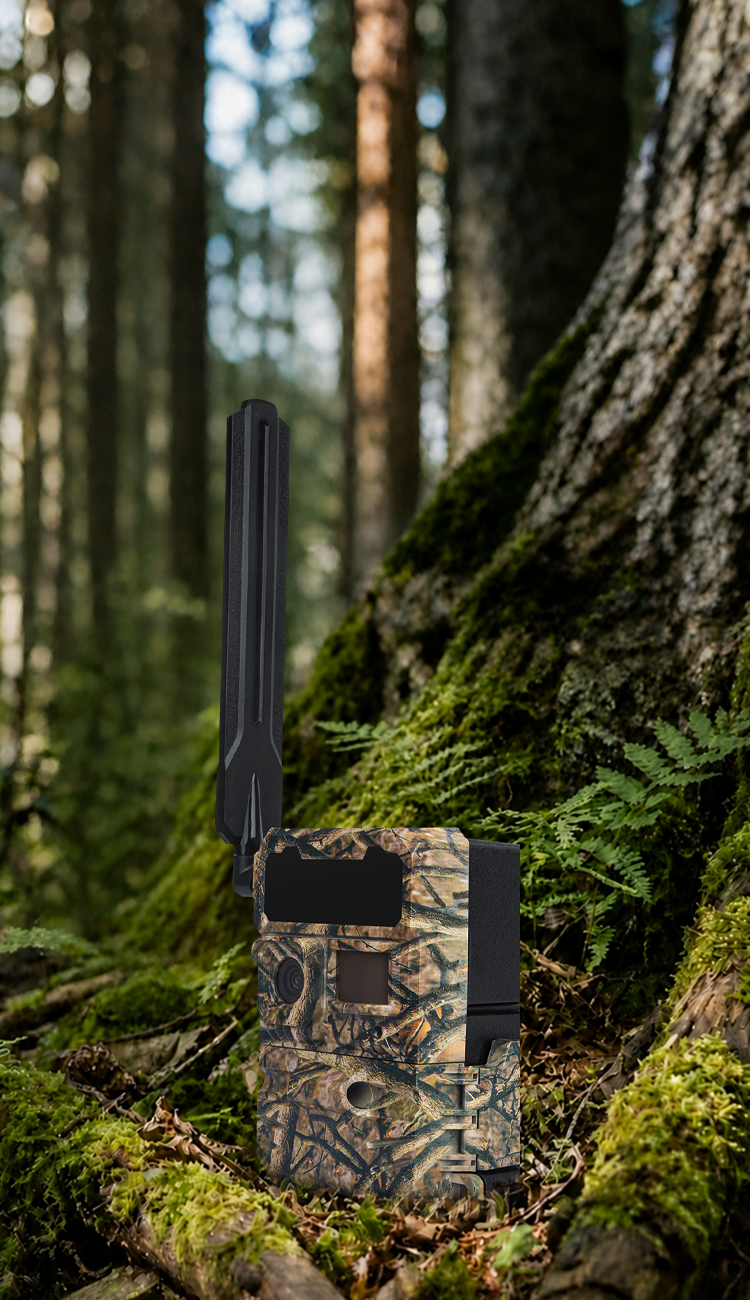
Remote wildlife monitoring demands reliable, continuous power delivery, and cellular trail camera systems face unique energy challenges that standard battery setups cannot overcome. A cellular trail camera transmits high-resolution images and video data across cellular networks in real time, consuming significantly more power than traditional passive cameras. High-power draw from wireless transmission, continuous modem operation, and sensor processing creates a power demand that quickly depletes conventional alkaline or lithium batteries. This is where integrated solar battery storage solutions become essential, offering the sustained energy supply that keeps your cellular trail camera operational across seasons without manual intervention or site visits for battery replacement.
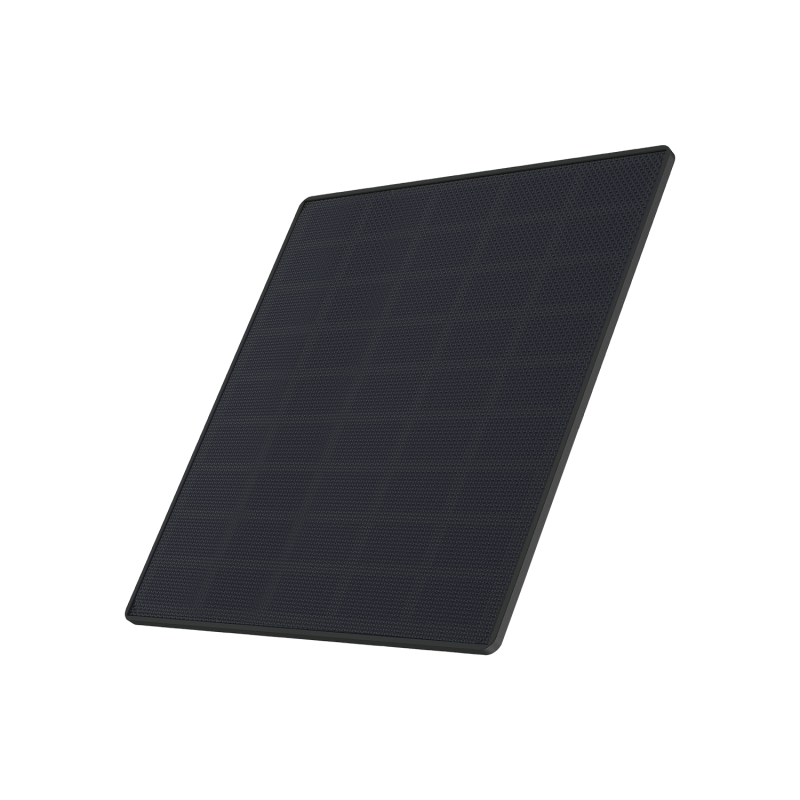
The engineering challenge of powering a cellular trail camera in remote locations extends beyond simple battery capacity. Environmental factors including shade, seasonal daylight variation, temperature fluctuations, and weather patterns all affect how much solar energy can be harvested. A properly designed solar battery storage system integrates photovoltaic panels, lithium energy storage, charge regulation circuits, and intelligent power management to ensure your cellular trail camera maintains continuous operation. Understanding how these components work together helps land managers, wildlife researchers, and security professionals select solutions that match their specific deployment scenarios and coverage requirements.
Power Demand Characteristics of Cellular Trail Cameras
Understanding Cellular Transmission Energy Consumption
A standard cellular trail camera requires far more energy than a passive trail camera because it actively transmits data across cellular networks rather than storing images locally. Every transmission event consumes multiple watts, and a cellular trail camera may transmit dozens of times daily depending on wildlife activity and alert settings. The modem must power up, establish connection, upload image files, and then power down, with each cycle drawing significant current. Peak power draw during transmission can exceed several amps, creating momentary high-demand pulses that weak battery systems cannot sustain consistently. Over weeks and months, this cumulative power consumption becomes the primary battery sizing challenge.
Continuous Standby and Processing Power
Beyond transmission, a cellular trail camera maintains standby power for motion detection sensors, microcontrollers, and modem idle states. These always-on systems create baseline power drain even when no motion or transmission events occur, typically consuming several hundred milliamps daily. Image processing, timestamp recording, and GPS logging add additional processing overhead that traditional alkaline batteries cannot efficiently deliver. A cellular trail camera power system must support both peak transmission demand and consistent baseline consumption, requiring a battery chemistry and capacity strategy optimized for mixed load profiles rather than simple total energy capacity.
Solar Battery Storage System Architecture
Photovoltaic Panel Selection and Placement
Solar panels for cellular trail camera installations must balance efficiency, durability, and real-world deployment conditions. Monocrystalline panels deliver higher conversion efficiency in compact form factors, essential when mounting space on camera housings is limited. A properly sized solar array for a cellular trail camera typically ranges from 3 to 10 watts depending on latitude, seasonal daylight hours, and cloud cover patterns in your deployment region. Panel orientation toward true south in northern hemisphere locations maximizes daily energy collection, while angle optimization captures low-angle winter sun that often proves critical for year-round operation. Panel placement must avoid camera lens obstruction and consider wildlife impact, ensuring the installation does not interfere with detection accuracy or attract unwanted animal attention.
Lithium Battery Storage and Charge Management
Lithium iron phosphate chemistry provides the ideal storage medium for cellular trail camera power systems because it delivers high energy density, maintains voltage stability across discharge cycles, and withstands temperature extremes common in outdoor deployment. A properly sized lithium battery for a cellular trail camera should store 3 to 5 days of worst-case energy consumption, protecting against extended cloudy periods or snow cover that temporarily eliminates solar input. Integrated charge controllers regulate energy flow from solar panels into the battery, preventing overcharge damage while maximizing charging efficiency. The cellular trail camera system draws power from the battery rather than directly from solar panels, creating a buffered energy flow that maintains consistent voltage and current delivery regardless of solar output fluctuations throughout the day.
Intelligent Power Distribution and Efficiency
An effective solar battery storage solution for a cellular trail camera includes sophisticated power management electronics that prioritize critical functions and minimize parasitic drain. Smart charge controllers monitor battery state of charge and automatically adjust cellular transmission schedules to reduce power consumption during low-solar seasons, extending runtime across periods when solar input diminishes. Temperature-compensated charging prevents battery damage from freezing conditions, critical for cameras deployed in northern climates or high-altitude locations where winter temperatures drop well below freezing. A properly configured cellular trail camera power system achieves multi-month autonomous operation without site visits, making remote wildlife monitoring and property security applications practical across diverse geographic regions.
Deployment Scenarios and Performance Optimization
Seasonal Optimization for Year-Round Operation
Solar energy availability varies dramatically across seasons, requiring cellular trail camera power systems that adapt to changing daylight patterns and atmospheric conditions. Winter deployment at high northern latitudes receives significantly less solar input than summer, necessitating oversized battery storage to bridge the reduced solar charging season. A cellular trail camera battery system designed for year-round operation must accommodate the winter solstice requirements of its specific latitude, typically requiring 5 to 7 days of battery autonomy to survive extended cloudy periods. Summer operation allows fuller battery cycles and more frequent transmission scheduling, optimizing image capture frequency when wildlife activity peaks. Implementing altitude and tilt-angle optimization during initial installation maximizes winter solar capture and ensures your cellular trail camera remains operational through the entire calendar year.
Environmental Stress and Durability Considerations
Outdoor installations expose solar battery storage systems to extreme environmental conditions that standard equipment cannot tolerate. A robust cellular trail camera power system must include weatherproof enclosures with effective thermal management to protect lithium batteries from overheating in summer sun or freezing in winter cold. UV-resistant materials prevent degradation of solar panels and wiring insulation, extending system lifespan across multiple years of continuous deployment. Moisture sealing and corrosion-resistant hardware protect electronics from humidity, salt spray in coastal locations, and high-moisture environments like swamps or river valleys. A cellular trail camera installation designed for durability incorporates stainless steel hardware, silicone sealants, and conformal coatings that extend component life and reduce maintenance requirements across harsh outdoor environments.
Wildlife Interaction and Installation Security
Solar panels and battery housing attached to a cellular trail camera create additional targets for wildlife damage, particularly in locations with bears, cougars, or other powerful animals that investigate mounted equipment. Robust mounting systems secure components against lateral forces and impact from animal contact, protecting the camera and power system from displacement or damage. A cellular trail camera installation should position solar panels at angles that discourage animal climbing or pulling, while battery enclosures must resist chewing, scratching, and prolonged environmental exposure. Cable management and connector placement prevent wildlife from snagging or damaging power connections that could compromise system reliability. Thoughtful physical design transforms your cellular trail camera power system from a liability into a durable, wildlife-resistant installation that survives complete deployment seasons without intervention.
FAQ
How much solar panel capacity does a cellular trail camera system require?
A cellular trail camera typically requires 5 to 10 watts of solar panel capacity depending on your geographic location, seasonal deployment timing, and cloud cover patterns. Northern latitudes and winter deployments need oversized panels to capture sufficient energy during shorter daylight hours, while southern locations and summer deployments can operate with smaller arrays. Calculate your specific solar requirement by multiplying daily camera power consumption by 1.5 to 2.5 times (accounting for inefficiencies, cloud cover, and panel angle losses), then divide by average daily solar hours for your region. Panel sizing can be adjusted after initial deployment by monitoring battery charge patterns across your first season of operation.
Can a cellular trail camera run entirely on solar battery storage without backup power?
Yes, a properly sized and configured cellular trail camera can operate indefinitely on solar battery storage alone, provided the system includes sufficient battery capacity to bridge extended cloudy periods or seasonal low-light conditions. Most commercial installations size lithium battery storage for 5 to 7 days of autonomous operation, allowing the camera to maintain connectivity even when solar panels collect minimal energy. Locations with reliable year-round cloud-free days may require only 2 to 3 days of battery backup, while northern latitudes during winter months may need 10 to 14 days of storage. A cellular trail camera battery system that accounts for your specific seasonal and weather patterns can achieve complete solar independence without supplemental AC power or manual battery replacement.
What maintenance does a cellular trail camera solar battery system require?
A well-engineered cellular trail camera solar battery system requires minimal maintenance across months of deployment, typically only periodic visual inspection of solar panels for debris accumulation and physical damage. Quarterly cleaning of panels removes dust, pollen, and tree debris that gradually reduce charging efficiency, restoring solar output by 10 to 20 percent in dust-prone environments. Battery health and charge controller status can be monitored remotely through cellular data if your cellular trail camera platform includes telemetry reporting, eliminating unnecessary site visits. Physical inspection during seasonal transitions ensures connector integrity, cable routing, and wildlife-related damage are caught early before system failure occurs. Most cellular trail camera installations operate 12 to 18 months or longer on single battery and solar panel installations before component replacement becomes necessary.