EN
What Should You Know Before Buying Smart Bird Feeder?

Choosing the right smart bird feeder requires understanding more than just basic functionality. A smart bird feeder combines technology with traditional feeding methods to create an enhanced birdwatching experience, but the market offers numerous options with varying capabilities, build quality, and integration features. Before making a purchase decision, you should evaluate several critical factors that determine whether a smart bird feeder will meet your specific needs and deliver long-term value. Understanding these considerations helps you avoid costly mistakes and select a product that genuinely enhances your outdoor birding enjoyment.
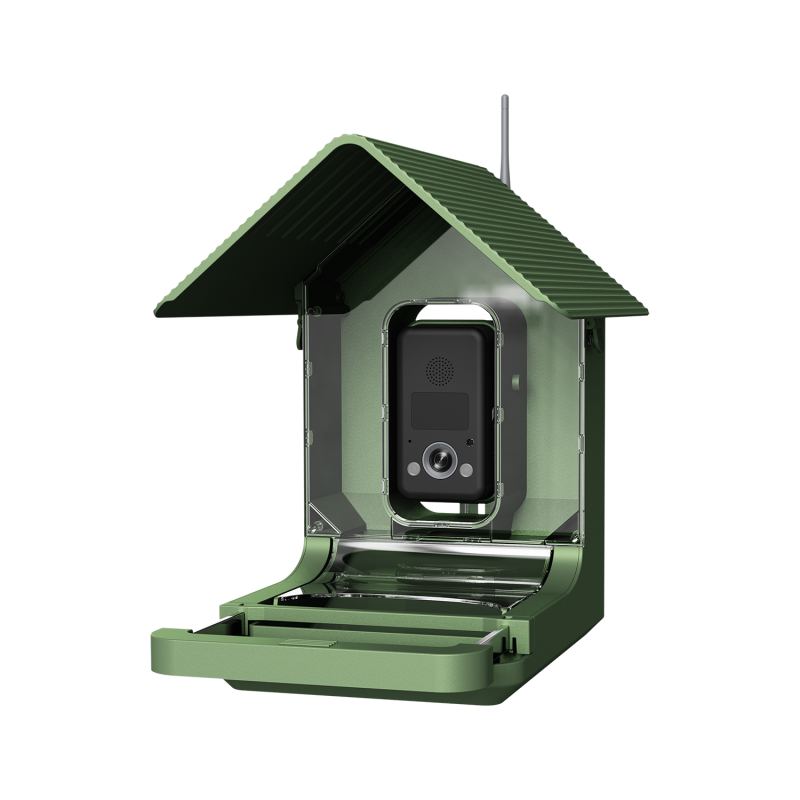
The smart bird feeder market has expanded significantly as technology advances, offering features ranging from basic motion detection to advanced artificial intelligence recognition systems. Each smart bird feeder varies in image quality, connectivity options, weather resistance, and data storage capabilities. Examining these differences before purchasing ensures your smart bird feeder investment aligns with your expectations and technical requirements.
Camera Quality and Bird Identification Technology
Resolution and Image Clarity Standards
The camera quality of your smart bird feeder directly impacts the viewing experience and identification accuracy. Most modern smart bird feeder models offer resolutions ranging from 1080p to 4K, with higher resolution providing clearer images for detailed bird observation. When evaluating a smart bird feeder, consider the lens quality, night vision capability, and frame rate, as these specifications determine whether you can identify specific bird species and behaviors. A quality smart bird feeder should deliver crisp, stable footage during daylight hours and maintain reasonable clarity during early morning or evening viewing sessions.
AI Recognition and Species Identification
Advanced smart bird feeder models incorporate artificial intelligence to automatically identify bird species visiting your feeder. This feature transforms a smart bird feeder from a simple camera into a scientific observation tool that logs species visits, feeding patterns, and population trends. Before purchasing a smart bird feeder with AI capabilities, verify the accuracy rates, the number of species it can recognize, and whether identification continues improving through machine learning updates. The effectiveness of your smart bird feeder's recognition system determines the educational value and data reliability you receive from the device.
Connectivity, Power, and Storage Solutions
Network Requirements and Cloud Integration
Understanding connectivity demands proves essential before buying a smart bird feeder. Most smart bird feeder models require reliable WiFi connection for live streaming, cloud storage, and mobile app notifications. Some smart bird feeder options offer local storage alternatives for areas with inconsistent internet, while premium models support both cloud and local backup systems. You should assess your current WiFi signal strength in your yard and determine whether your smart bird feeder will receive adequate connectivity where you plan to mount it. Additionally, research the cloud storage policies of your chosen smart bird feeder, including storage limits, retention periods, and associated subscription costs.
Power Supply and Battery Life Considerations
The power management approach significantly affects smart bird feeder practicality and operating costs. Wired smart bird feeder models provide unlimited operation but require outdoor electrical outlets or weatherproof extension cords. Battery-powered smart bird feeder options offer installation flexibility but demand regular charging or seasonal battery replacements, particularly during high-use periods. Solar-powered smart bird feeder variants reduce charging frequency but perform inconsistently in cloudy climates or areas with limited direct sunlight. Before selecting your smart bird feeder, evaluate your yard's power infrastructure and commit to the maintenance schedule your chosen power solution requires.
Weather Resistance, Durability, and Maintenance
Materials and Environmental Protection Standards
A smart bird feeder operates outdoors year-round, exposing it to rain, snow, extreme temperatures, and UV radiation. Quality smart bird feeder construction uses weather-resistant materials like stainless steel and polycarbonate housings rated for specific climate conditions. Before purchasing a smart bird feeder, verify its IP rating for water resistance, temperature operating ranges, and UV protection specifications. The longevity of your smart bird feeder depends directly on these material standards and protective design features. Models lacking adequate weatherproofing fail prematurely despite higher initial prices, making durability assessment crucial before final purchase decisions.
Maintenance Requirements and Cleaning Access
Regular maintenance extends the lifespan of your smart bird feeder and maintains image quality. Evaluate how easily you can access the camera lens, seed compartments, and drainage areas on your chosen smart bird feeder model. Poor design that complicates cleaning encourages neglect and leads to lens clouding, water accumulation, and mechanical failures. Additionally, consider seed type compatibility with your smart bird feeder, as certain seeds create more debris and require frequent cleaning. The best smart bird feeder balances advanced features with practical accessibility, allowing straightforward maintenance that keeps your device performing optimally throughout seasons.
Cost Considerations and Long-Term Value
Initial Investment and Hidden Expenses
The purchase price represents only the first cost component when evaluating a smart bird feeder investment. Many smart bird feeder models require optional subscriptions for advanced features, extended cloud storage, or enhanced AI identification capabilities. Before committing to a smart bird feeder, calculate total ownership costs including subscriptions, replacement batteries or solar panels, seed expenses, and potential repair fees. Premium smart bird feeder models may cost significantly more initially but offer superior durability and feature sets that justify higher investment over extended use periods. Comparing smart bird feeder options based on total lifetime cost rather than purchase price alone provides realistic financial perspective.
Warranty Support and Manufacturer Reliability
Warranty coverage and manufacturer support quality directly influence smart bird feeder ownership satisfaction and risk mitigation. Extended warranties on smart bird feeder products indicate manufacturer confidence in build quality and typically cover defects, accidental damage, or replacement guarantees. Research manufacturer reputation regarding customer service response times, warranty claim processes, and availability of replacement parts for your selected smart bird feeder model. A smart bird feeder from manufacturers with established support infrastructure provides greater peace of mind than budget options from companies with minimal customer service presence.
FAQ
What are the main benefits of installing a smart bird feeder?
A smart bird feeder provides real-time birdwatching capabilities, species identification through AI technology, and data tracking of visiting birds and feeding patterns. The smart bird feeder allows you to observe activity remotely through mobile apps and notifications, making it ideal for enthusiasts who cannot always observe their yard in person. Beyond entertainment, a smart bird feeder generates valuable population and behavioral data that contributes to personal scientific understanding and citizen science initiatives.
How much does a quality smart bird feeder typically cost?
Entry-level smart bird feeder models start around 100 to 200 dollars, while mid-range options with advanced features typically range from 300 to 600 dollars. Premium smart bird feeder products featuring 4K resolution, comprehensive AI identification, and extensive storage capabilities often exceed 800 dollars or more. Budget allocations for subscriptions, replacements, and maintenance should be added to purchase prices when calculating total smart bird feeder investment requirements.
Can a smart bird feeder work without constant WiFi connection?
Some smart bird feeder models support local storage and offline operation, recording footage to internal memory without cloud connectivity. However, a smart bird feeder with only local storage limits remote viewing and notification capabilities compared to cloud-connected alternatives. Hybrid smart bird feeder systems offering both local and cloud options provide maximum flexibility for varying connectivity situations, making them suitable for areas with intermittent internet service.