EN
How to Choose the Right 4G Trail Camera?

Selecting the right 4G trail camera for your property monitoring, wildlife observation, or security needs requires careful consideration of multiple technical and practical factors. A quality 4G trail camera combines cellular connectivity with reliable image capture, allowing you to monitor remote locations without physical visits. Whether you're protecting agricultural land, conducting wildlife research, or securing rural property, understanding the key features of a 4G trail camera ensures you invest in equipment that delivers consistent performance and long-term value.
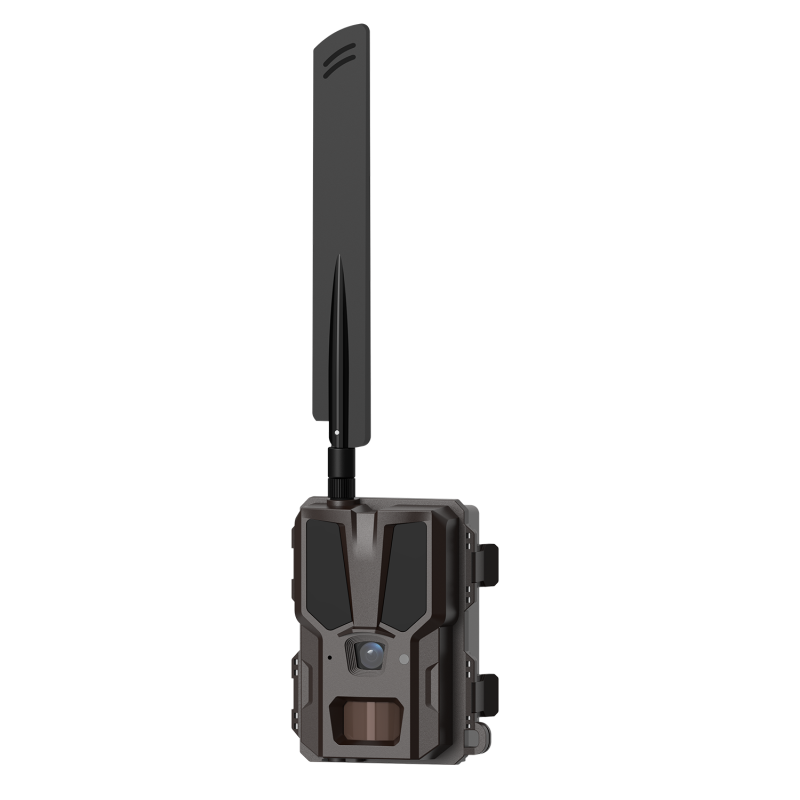
The process of choosing a 4G trail camera involves evaluating connectivity options, image specifications, power efficiency, and deployment environment. Each 4G trail camera model offers distinct advantages depending on your specific use case, budget constraints, and monitoring duration. This guide walks you through the critical decision points that separate a mediocre 4G trail camera purchase from an exceptional long-term investment.
Understanding 4G Trail Camera Connectivity Options
Network Coverage and Signal Strength Requirements
Network availability is the foundation of any 4G trail camera deployment strategy. Before purchasing a 4G trail camera, verify that your installation location receives adequate cellular signal from major carriers in your region. A 4G trail camera relies on consistent connection strength to transmit images, so dead zones and weak signals compromise functionality. Test signal strength at your exact location using a mobile phone or dedicated signal meter to ensure your 4G trail camera will operate reliably throughout the year.
Different 4G trail camera models support varying cellular standards, including LTE, 4G LTE, and emerging 5G compatibility. When evaluating a 4G trail camera, confirm that its supported networks align with available coverage in your area. Some 4G trail camera units offer multi-carrier support, providing backup connectivity if one network experiences outages. This redundancy feature in premium 4G trail camera models adds reliability for critical monitoring applications where image transmission failures are unacceptable.
Subscription Plans and Data Efficiency
Operating costs for any 4G trail camera extend beyond the initial purchase price. Each 4G trail camera requires an active cellular data plan, with pricing varying by carrier and data allowance. A 4G trail camera consuming excessive bandwidth through uncompressed images or continuous streaming quickly depletes monthly quotas and increases operational expenses. Advanced 4G trail camera models implement image compression, scheduled transmission, and adaptive quality settings to minimize data consumption while maintaining visual clarity.
When comparing 4G trail camera options, calculate the true cost of ownership by adding subscription fees to equipment price. Some 4G trail camera systems offer flexible plans allowing you to increase or decrease data allocations seasonally. A smart 4G trail camera choice balances data efficiency with image quality, ensuring you capture actionable footage without unnecessary data waste or subscription expense.
Image Quality and Capture Specifications
Resolution, Sensor Quality, and Detection Range
Image quality represents a critical distinction between budget and professional-grade 4G trail camera units. Resolution alone doesn't determine 4G trail camera effectiveness; sensor size, lens quality, and low-light performance collectively define what your 4G trail camera actually captures. A high-megapixel 4G trail camera with a poor sensor produces grainy, unusable images, while a well-engineered mid-range 4G trail camera delivers sharp, detailed footage suitable for identification and analysis.
Detection range and trigger sensitivity directly impact 4G trail camera performance in your specific environment. A 4G trail camera designed for open fields requires different sensor specifications than one deployed in dense forest. Evaluate your 4G trail camera choice against typical subject distances and lighting conditions at your location. A quality 4G trail camera for wildlife monitoring should detect motion reliably at distances of 20–50 feet, depending on environmental factors and sensor sensitivity.
Video Capabilities and Night Vision Technology
Modern 4G trail camera units increasingly emphasize video functionality alongside still image capture. A 4G trail camera offering quality video transmission over cellular networks enables real-time situational awareness impossible with static images alone. Evaluate your 4G trail camera choice based on video resolution, frame rates, and streaming options suitable for bandwidth constraints of your data plan.
Night vision technology separates exceptional 4G trail camera models from mediocre alternatives. Infrared and thermal imaging capabilities in premium 4G trail camera systems provide visibility during darkness when most activity occurs. A 4G trail camera with adjustable illumination levels allows you to optimize for specific subjects and distances. Consider whether your intended 4G trail camera application demands color night vision, thermal imaging, or traditional infrared illumination to make the right selection.
Power Management and Environmental Durability
Battery Life and Power Source Options
Battery management fundamentally determines whether your 4G trail camera deployment succeeds or fails. A 4G trail camera constantly transmitting cellular data drains batteries faster than passive models sending data only on fixed schedules. Calculate expected operational duration for your 4G trail camera by considering image frequency, transmission timing, and ambient temperature effects on battery performance. Cold weather significantly reduces 4G trail camera battery life, sometimes by 30–50 percent compared to warm conditions.
Premium 4G trail camera solutions include solar panel options, allowing indefinite operation in sunny locations. Hybrid power systems combining battery and solar capability provide the ultimate flexibility for remote 4G trail camera deployments lasting months without maintenance. When evaluating your 4G trail camera choice, determine whether you can access the location for regular battery replacement or require autonomous power solutions. This decision directly impacts long-term viability and total cost of ownership for your 4G trail camera investment.
Weather Resistance and Housing Quality
A 4G trail camera exposed to outdoor elements must withstand extreme temperature fluctuations, moisture, and physical impacts. Housing materials and sealing quality distinguish durable 4G trail camera units from models that fail within one season. Look for 4G trail camera products with IP-rated protection levels indicating resistance to dust and water ingress. An industrial-grade 4G trail camera housing rated IP65 or higher ensures reliable operation through harsh weather cycles and extended deployment periods.
Temperature tolerance specifications for your 4G trail camera choice matter significantly in cold climates or hot desert environments. A 4G trail camera rated for operation from 0 to 50 degrees Celsius provides safety margin for most North American locations, while extreme environments require 4G trail camera models with wider temperature ratings. Verify that the 4G trail camera you select includes protective lens coatings preventing condensation and ensuring image clarity throughout seasonal temperature variations.
FAQ
What data plan should I choose for a 4G trail camera?
Select a 4G trail camera data plan based on your expected image transmission frequency and resolution preferences. A 4G trail camera capturing 10–20 images daily at standard resolution typically uses 500 MB to 2 GB monthly. If your 4G trail camera transmits video clips or operates in burst mode, plan for higher consumption. Most carriers offer tiered plans allowing you to start with modest allocations and upgrade your 4G trail camera service if needed. Monitor your actual 4G trail camera data usage during the first month to accurately forecast future costs.
How far should a 4G trail camera be from cellular towers?
A 4G trail camera can function at considerable distances from towers if adequate signal exists. Generally, a 4G trail camera requires at least two bars of cellular signal for reliable transmission, though three bars ensures consistent performance. Physical obstacles like dense trees, rock formations, and buildings interfere with 4G trail camera signal propagation more significantly than distance alone. Use your phone's signal indicator or a dedicated meter to test conditions at your proposed 4G trail camera location before purchase and installation.
Can I use a 4G trail camera for year-round monitoring?
Yes, a properly equipped 4G trail camera operates effectively year-round in most climates with appropriate power management. Cold weather reduces 4G trail camera battery efficiency by 30–50 percent, necessitating either frequent replacements or solar-supplemented power systems for winter deployment. A 4G trail camera with solar panels and robust battery capacity enables continuous operation through all seasons without maintenance access. Verify that your chosen 4G trail camera includes weatherproofing suitable for your regional conditions, including heavy snow, ice, and temperature extremes.